 WhatsApp
 sales@unpchemicals.com
 +86 16638830202
Application Progress of Pour Point Depressant in Pipeline Transportation of Waxy Crude Oil
What is a pour point depressant?
A pour point depressant is a chemical additive that lowers the freezing point and improves the low-temperature fluidity of crude oil or oil products. It mainly changes the crystal shape of wax and prevents wax crystals from forming a network structure, so that crude oil can still flow smoothly at low temperatures, avoiding pipeline blockage caused by solidification and wax deposition during pipeline transportation. It is widely used in waxy crude oil transportation, diesel oil, lubricating oil and other fields, and is an important additive to ensure safe low-temperature transportation and save energy.
Abstract
1 Types and Mechanisms of Pour Point Depressants
1.1 Types of Pour Point Depressants
1.2 Mechanisms of Pour Point Depressants
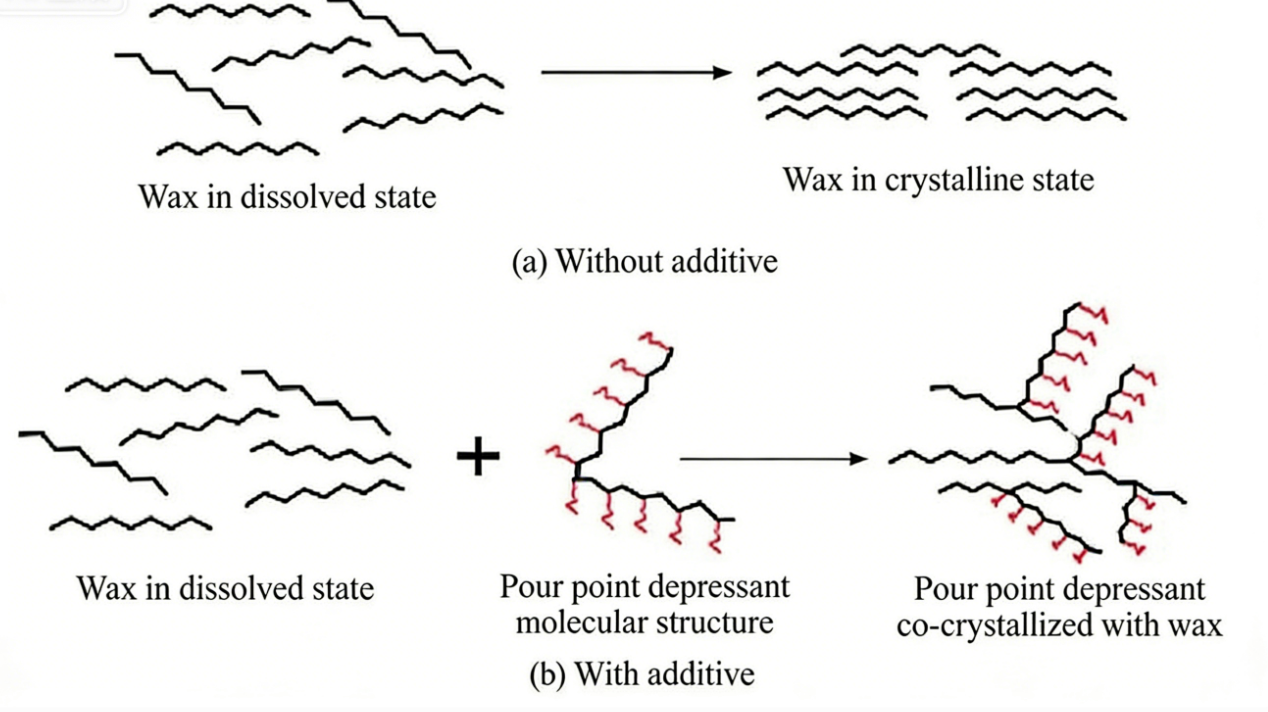
Figure 1 Schematic diagram of co-crystallization effect
2 Application of Waxy Crude Oil Pour Point Depressants
2.1 Engineering Case Applications
2.2 Research on Pipeline Transportation Operation Schemes for Waxy Crude Oil
2.3 Existing Problems
For the long-distance transportation of easily gelled high-viscosity crude oil and heavy viscous crude oil, the single PPD addition method is difficult to meet pipeline transportation requirements, and it is necessary to consider introducing other parallel processes.
Some crude oils have weak sensitivity to PPDs, and the pour point depression effect after adding PPDs is not obvious, such as the crude oil of Santanghu Oilfield.
For complex pipeline conditions and changing crude oil physical properties, the stability of PPDs will decrease or fail.
3 Conclusions and Prospects
Existing PPDs are greatly affected by factors such as crude oil composition and pipeline conditions. It is necessary to develop universal PPDs with a wider range of applications and stronger adaptability. Emerging nanometer PPDs and compound-type PPDs have good application prospects and can be combined with technologies from other fields to guide the development of new PPDs in the future.
General PPDs are difficult to meet the requirements of long-distance transportation of easily gelled high-viscosity crude oil and heavy viscous crude oil in pipelines, and there are problems such as weak sensitivity of some crude oils to PPDs and insufficient stability. It is necessary to screen or formulate specific PPDs according to specific pipeline transportation processes to better meet pipeline applicability.
Pipeline transportation application schemes are gradually transforming from single to comprehensive, from a single PPD addition scheme to comprehensive schemes such as heating with PPD addition, and PPD addition with crude oil blending. The future development direction needs to consider the combination of adding PPDs and other parallel schemes that can improve pipeline transportation efficiency.