 WhatsApp
 sales@unpchemicals.com
 +86 16638830202
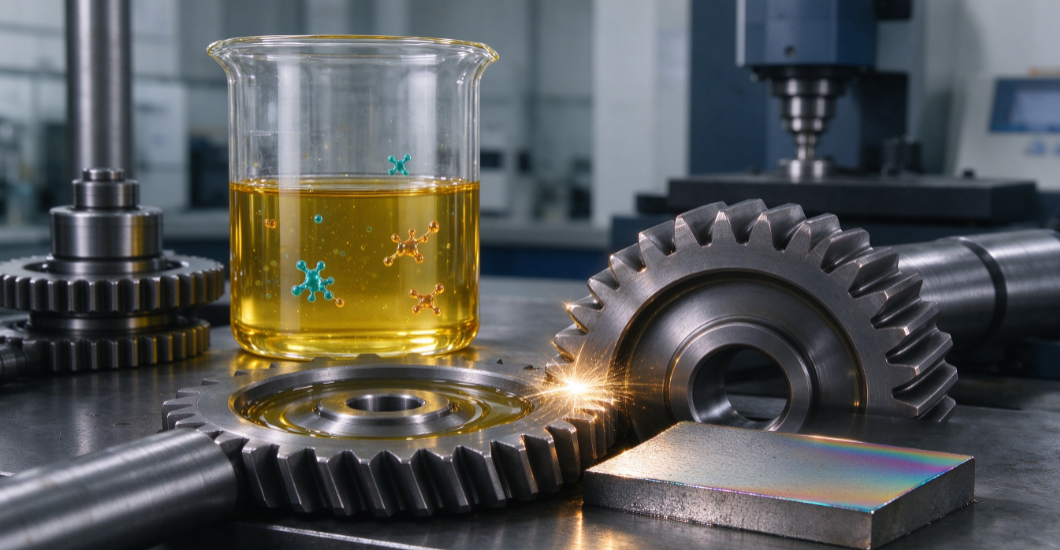
Industry-Wide Operational Challenges
Mechanical friction pairs frequently operate under combined severe conditions including heavy load, low-speed impact, high-speed shear and elevated temperature. Base lubricant oils alone cannot sustain reliable protection once entering boundary-lubrication regimes. Without tailored functional additive packages, equipment faces multiple failure risks: base-stock oxidative degradation, corrosive attack from acidic oxidation by-products, surface scoring, seizure, galling and accelerated component wear. Modern engine-oil energy-saving requirements further raise technical barriers for additive design. Formulators require well-matched extreme-pressure anti-wear and antioxidant-corrosion inhibitor chemistries to resolve these boundary-lubrication bottlenecks.
What Are EP/AW Additives
Extreme-pressure anti-wear additives are specialty lubricant chemicals dedicated to load-bearing protection. Analogous to paraffin inhibitors modifying wax crystal structures rather than removing wax from crude oil, EP/AW additives do not physically eliminate metal contact. Instead, they undergo tribochemical reactions under friction heat and pressure, generating thin, low-shear-strength protective films on metal surfaces to mitigate wear and resist seizure.
There are two core technical routes widely applied in lubricant formulation. Phosphorus-based EP/AW additives form phosphate-rich protective films to deliver outstanding anti-wear performance under moderate-to-heavy loads. Sulfur-based EP/AW additives produce iron sulfide films, excelling under extreme pressure, high-temperature and shock-load working conditions.
Core Principles & Fundamental Classification
Extreme-pressure anti-wear and antioxidant-corrosion inhibitors are specialty lubricant-formulation components that upgrade base-oil performance. Analogous to paraffin inhibitors modifying wax-crystal morphology without removing paraffin from crude oil: these lubricant additives do not replace the intrinsic hydrodynamic lubrication capacity of base oil. Instead, they act via molecular decomposition and interfacial tribochemical reactions to build protective surface films and terminate oxidative chain reactions within lubricant bulk phase.
They fall into two primary application groups: - Antioxidant-corrosion inhibitors: Represented by zinc dialkyldithiophosphates (ZDDP), delivering combined antioxidant, corrosion-inhibition and anti-wear multi-functionality. - Extreme-pressure anti-wear (EP/AW) agents: Active-element-containing compounds (sulfur-, phosphorus-, chlorine-organic substances, molybdenum salts, borates and high-molecular-weight polymers) generating tribochemical reaction films under boundary-lubrication conditions.
Performance-Driven Working Mechanisms
Different additive categories realize performance improvement through distinct molecular pathways: - ZDDP-type antioxidant-corrosion inhibitors: Under high-temperature service environments, zinc dialkyldithiophosphate gradually decomposes and deposits thin protective films upon metal surfaces. These films resist metal oxidation and corrosion induced by acidic by-products originating from oil degradation, meanwhile mitigating micro-wear on contact interfaces. Adjustment of alkyl-chain length and S-P atomic distribution yields derivative grades adaptable for engine oils as well as industrial lubricant systems. Effective protection can be achieved at relatively low treat-rates. - Conventional EP/AW agents: When hydrodynamic base-oil films rupture under heavy-load boundary-lubrication conditions, active components within EP/AW additives undergo chemical reactions with metal substrates. Low-melting-point ductile tribochemical reaction films are formed on friction surfaces, smoothing contact interfaces, lowering friction and restraining scoring, seizure and galling, an effect described as “chemical polishing” within lubrication industry. Sulfur-phosphorus EP additives are widely adopted for gear oils and metalworking fluids due to their moderate thermal-decomposition characteristics. - Molybdenum-salt-based friction-modifying EP components: Deployed in modern energy-saving engine-oil formulations. They reduce system friction coefficient, cut frictional power loss and realize fuel-economy improvement for internal-combustion engines.
Consequences of Improper Additive Selection
Inadequate or mismatched additive selection brings multiple operational risks. Insufficient antioxidant-corrosion inhibitor loading accelerates base-oil oxidation, generates corrosive acidic substances and triggers metal-part corrosion and micro-wear. Improper EP/AW additive selection fails to form effective tribochemical protective films under heavy-load boundary-lubrication conditions, leading to scoring, seizure and galling of friction pairs. Mismatched thermal-decomposition temperature of EP additives may cause premature additive failure or excessive corrosive side-effects. In engine-oil formulations, inappropriate additive combinations cannot satisfy modern fuel-economy requirements. All these hazards shorten component service life and increase equipment-maintenance expenditure.
Commercial Additive Portfolio Overview
- ZDDP Series (T202, T203): Organo-sulfur-phosphorus zinc dialkyldithiophosphate products. Multi-functional additives for engine oils, also usable as anti-wear components in selected industrial lubricants; performance tunable via alkyl-chain and hetero-atom structural modification. - Sulfur-phosphorus-chlorine-based EP/AW agents: Conventional extreme-pressure anti-wear organic compounds for gear oils and metalworking-fluid formulations. - Molybdenum-salt, borate and high-polymer-type EP/AW components: Special-purpose grades for industrial lubricants and energy-saving engine-oil formulations to achieve friction-reduction and extreme-pressure protection.
Critical Performance Metrics for Qualified Additives
Following the unified evaluation framework across UNPChemicals technical review series, high-quality EP/AW and antioxidant-corrosion-inhibitor additives shall meet four core performance metrics:
1. High efficiency at low treat rates: Realize anti-oxidation, corrosion-control or extreme-pressure anti-wear targets under economical additive dosage without deteriorating other lubricant properties.
2. Broad formulation compatibility: Exhibit good compatibility with base stocks and other co-existing lubricant additives, avoiding antagonistic reactions, sediment generation or seal-material impairment.
3. Robust environmental stability: Possess matched thermal-decomposition temperature windows corresponding to service conditions; maintain effective protection under high-temperature, shear and oxidative-aging environments.
4. Practical industrial processability: Good solubility in mineral and synthetic base oils, convenient for metering, blending and large-scale lubricant production workflows.
Application Domains & Formulation Selection Guidelines
These additive systems serve multiple lubricant-manufacturing segments:
1. Internal-combustion-engine crankcase oils: ZDDP as primary antioxidant-anti-wear component; molybdenum-salt additives introduced for fuel-economy-oriented modern engine-oil products.
2. Industrial gear-oil systems: Sulfur-phosphorus EP/AW additives to handle heavy-load and impact-load friction-pair working conditions.
3. Metalworking-fluid formulations: Sulfur-phosphorus extreme-pressure additives to offer boundary-lubrication protection for metal-cutting processes.
4. Special-purpose industrial lubricants: Molybdenum-salt, borate and polymeric EP/AW grades for custom heavy-duty lubrication scenarios.
Formulators need to evaluate operating temperature, load magnitude, lubricant base-stock type and end-product performance specifications before final grade selection: - Adopt ZDDP (T202 / T203) when integrated antioxidant, corrosion-inhibition and anti-wear performance is required for engine-oil formulations. - Select sulfur-phosphorus-based EP/AW agents for gear oils and metalworking-fluid systems facing heavy-load boundary-lubrication conditions. - Deploy molybdenum-salt-based additives for engine-oil projects targeting friction reduction and fuel-economy improvement. - Choose borate- or polymer-based special EP/AW grades for scenarios where traditional sulfur-phosphorus additives cannot satisfy specification constraints.
How PSAIL® EP/AW Additives Function
Phosphorus-based PSAIL® grades: Under boundary-lubrication frictional heating, phosphorus-containing molecules react with metal substrates to form dense phosphate tribofilms. These layers prevent direct metal contact and deliver reliable anti-wear performance for moderate-heavy-load systems. UNPChemicals supplies phosphites, phosphate esters, amine-neutralized phosphate and thiophosphate products adaptable for hydraulic oil, industrial gear oil and metal-working fluid formulations.
Sulfur-based PSAIL® grades: Under high load and frictional heat, active-sulfur groups react with iron-based metal surfaces to generate high-melting-point iron sulfide protective films. The low-shear-strength film effectively blocks micro-welding and metal adhesion, providing robust extreme-pressure resistance for heavy-duty oils, greases and cutting fluids. The portfolio includes alkyl polysulfides, sulfurized olefins, sulfurized fatty esters and multifunctional thiocarbamate additives.
ication scenarios, even high-quality base oils cannot fully isolate direct metal-to-metal contact. This gives rise to surface scuffing, adhesive wear, micro-welding and component seizure, shortening equipment service life and increasing unplanned downtime and maintenance costs. As industrial equipment trends toward higher power density and heavier load demands, lubricant formulators need reliable extreme-pressure anti-wear (EP/AW) solutions. To meet these market requirements, UNPChemicals has launched the comprehensive PSAIL® EP/AW additive portfolio, covering phosphorus-based and sulfur-based product platforms as drop-in cost-effective alternatives to grades from BASF, LANXESS, Vanderbilt and Arkema.
Concluding Remarks
Reliable lubricant performance under boundary-lubrication conditions depends not only on base-oil hydrodynamic lubrication capacity but also on rationally compounded EP/AW and antioxidant-corrosion-inhibitor additive packages. ZDDP-type multi-functional additives suppress oil oxidation and metal corrosion; various EP/AW chemistries generate tribochemical protective films to defend friction pairs against scoring and seizure. Reasonable additive-grade matching enables lubricants to satisfy diverse requirements for engine oils, gear oils and metalworking fluids, extending mechanical-component service life and lowering overall equipment-operation costs.
Contact UNPChemicals technical-sales team for datasheets, formulation recommendations and custom-grade support for your specific lubricant-additive projects.