 WhatsApp
 sales@unpchemicals.com
 +86 16638830202
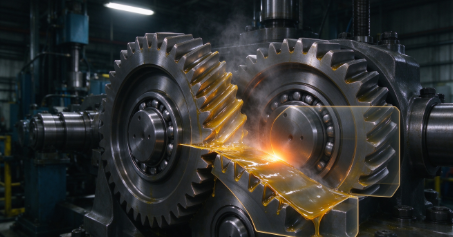
Industry-Wide Operational Challenges
Automotive transmission and industrial gear systems operate under severe service conditions including high contact pressure, impact load, sliding-rolling mixed friction, wide temperature swings and corrosive contaminant ingress. Base oil alone cannot satisfy comprehensive gear-protection requirements. Without properly selected single-component specialty additives, finished gear oils will suffer excessive friction loss, insufficient extreme-pressure bearing capacity, yellow-metal corrosion, premature oxidation and sludge-varnish accumulation. Formulators must select matching individual additives, coordinate base-oil properties and gear-system operating parameters to resolve these gear-oil formulation and manufacturing bottlenecks.
What is Gear-Oil Additive?
Gear-oil additives are chemical compounds incorporated into base oils to upgrade the performance of automotive and industrial gear oils. They mitigate friction and wear under high-pressure sliding-rolling contact, suppress oxidation, neutralize acidic by-products, protect yellow-metal components against corrosion, and extend service life of gearboxes, transmission assemblies and related mechanical equipment.
Core Principles & Fundamental Classification
Special-function single-component gear-oil additives are concentrated individual chemical substances for performance upgrading during gear-oil blending. Analogous to paraffin inhibitors modifying wax-crystal morphology without removing paraffin from crude oil: single-component additives cannot replace the intrinsic hydrodynamic lubrication capability of base oils. Instead, individual molecules act at molecular and interfacial levels to deliver friction-reduction, extreme-pressure anti-wear, metal-deactivation, acid-neutralizing antirust and antioxidation effects.
According to functional orientation, these single-component additives are divided into six primary groups: - Phosphate-free organic-molybdenum friction modifiers: Liquid Mo-based ingredients for friction-reduction, anti-wear and antioxidation. - Ashless sulfur-phosphorus-free friction modifiers: Nitrogen-containing borate-ester components for low-SAPS gear-oil formulations. - Organosulfur thiadiazole-series multi-purpose additives: Multi-scene versatile lubricant additives for gear-oil and ancillary systems. - Oil-soluble triazole-type metal deactivators: Yellow-metal corrosion-protection additives for gear-box copper-alloy parts. - Phosphorus-based extreme-pressure anti-wear additives: Phosphite-type EP components for automotive-industrial gear-oil systems. - Ashless antirust-antioxidant additives: Imidazoline-succinate acid-neutralizing rust inhibitor and sulfur-phosphorus-free methylbenzotriazole-derivative corrosion-antioxidant components.
Performance-Driven Working Mechanisms
Different single-component additives realize performance improvement through distinct molecular pathways: - Organic-molybdenum friction-modifying additives (MoDTC): Decompose under boundary-lubrication sliding-rolling contact inside gear assemblies, forming molybdenum-containing tribochemical films on tooth surfaces, lowering friction coefficient while delivering anti-wear and auxiliary antioxidation performance. - Nitrogen-containing borate-ester ashless friction modifiers: Sulfur-and-phosphorus-free ashless substances; generate boron-rich boundary lubrication films on gear-tooth contact surfaces to reduce friction, resist wear and provide mild corrosion-inhibition for low-SAPS gear-oil formulations. - Thiadiazole-derivative organosulfur additives: Interact with active-sulfur species within gear-oil systems, suppress corrosive attack toward alloy components; also exert auxiliary extreme-pressure and antioxidation effects across lubricant, fuel and metalworking-fluid systems. - Triazole-series metal deactivators: Adsorb onto yellow-metal (copper-alloy) surfaces inside gearboxes, forming compact barrier films to isolate corrosive media and mitigate selective corrosion of copper-alloy synchronizer and bushing components. - Phosphite-based extreme-pressure anti-wear additives: Under high-pressure gear-meshing conditions, form phosphorus-rich tribological reaction layers on metal contact surfaces to withstand heavy-impact loads and restrain scoring and scuffing failure of gear teeth. - Imidazoline-succinate antirust agents: Possess powerful acid-neutralizing capacity, neutralize acidic oxidative by-products; adsorb onto metal surfaces to build protective films against moisture and corrosive contaminants. Methylbenzotriazole derivatives provide combined corrosion-inhibition and antioxidation without sulfur-phosphorus-ash contribution.
Consequences of Improper Additive Selection
Inadequate or mismatched single-component additive selection brings multiple operational risks. Incompatibility between additive and base-oil or co-additives triggers precipitation, sediment and overall performance decay. Insufficient extreme-pressure anti-wear capacity leads to gear-tooth scoring, scuffing and premature pitting-fatigue failure. Inadequate yellow-metal-protection additives induce copper-alloy synchronizer corrosion in automotive transmission systems. Poor antirust-antioxidant performance accelerates oil aging, sludge generation and acid value rise. Improper additive combinations may cause finished gear oils to fail industry-specification requirements. All these defects shorten gear-box service life and increase equipment-maintenance expenditure for end-users.
Commercial Additive Portfolio Overview
- MSAIL 525A (Molybdenum dithiocarbamate, MoDTC, CAS 253873-83-5): Phosphate-free liquid organic-molybdenum friction-modifier; friction-reduction, anti-wear, antioxidation; for engine oils, industrial lubricants, neat-oil metalworking fluids and greases.
- FMET 2890 (Nitrogen-containing boric acid esters): Ashless S/P-free friction modifier; excellent friction-reduction, wear-resistance and corrosion-inhibition; applied in engine oils, industrial lubricants, neat-oil metalworking fluids and greases.
- DMTD-9 (Thiadiazole tert-nonyl mercaptan condensate, CAS 91648-65-6): Multi-purpose organosulfur compound; suitable for lubricants, fuels and metalworking-fluid formulations. - CSAIL 3000 (Triazole derivatives, CAS 91273-04-0): Liquid oil-soluble triazole-derivative metal deactivator; delivers reliable yellow-metal corrosion-protection for lubricating oils and greases.
- PSAIL T304 (Dibutyl phosphite, CAS 1809-19-4): Phenol-free phosphorus-based extreme-pressure anti-wear additive; insoluble in water, soluble in ester/alcohol/ether solvents; for automotive-industrial gear oils, metalworking fluids and greases.
- CMET T703 (Heptadecenyl imidazoline succinate): Oil-soluble ashless antirust additive with outstanding acid-neutralization performance, synthesized from alkenyl-imidazoline and dodecenyl-succinic-acid neutralization.
- OSAIL 8870 (Methylbenzotriazole derivatives): Sulfur-phosphorus-ash-free high-efficiency metal corrosion-inhibitor-antioxidant; excellent metal-corrosion resistance, antioxidation and thermal stability; usable for lubricants, metalworking fluids, greases and industrial circulating cooling-water systems.
Critical Performance Metrics for Qualified Single-Component Additives
Following the unified evaluation framework across UNPChemicals technical review series, high-quality single-component gear-oil additives shall meet four core performance metrics:
1. High efficiency at low treat rates: Realize friction-reduction, extreme-pressure anti-wear, yellow-metal-passivation or antirust-antioxidant targets under economical additive dosage.
2. Broad formulation compatibility: Chemically compatible with mineral / synthetic base-oils and other co-existing additives; avoid precipitation, antagonistic reactions and seal-material deterioration.
3. Robust environmental stability: Maintain integrated functional performance under high-pressure gear-meshing, temperature cycling and contaminant-ingress gear-box service conditions.
4. Practical industrial processability: Appropriate physical state for metering and blending in gear-oil production facilities; convenient quality-control verification during manufacturing.
Application Domains & Formulation Selection Guidelines
These single-component additive systems serve multiple gear-oil manufacturing segments:
1. Automotive gear-&-transmission oils: Manual-transmission fluids, axle gear oils for passenger and commercial vehicles, protecting synchronizer copper-alloy components.
2. Heavy-duty industrial gear-oils: Gear-box lubricants for mining, metallurgy, wind-power and general-manufacturing heavy-duty reduction-gear assemblies.
3. Associated supporting products: Gear-related greases and matching metalworking-fluid formulations.
Formulators need to evaluate gear-system load-impact magnitude, operating-temperature range, yellow-metal component existence, base-oil category and target industry-specification requirements before grade selection:
- Choose MSAIL 525A or FMET 2890 when friction-reduction performance improvement is required; select FMET 2890 for S-P-restricted low-SAPS projects.
- Deploy CSAIL 3000 or OSAIL 8870 for gear-oil formulations containing copper-alloy / yellow-metal synchronizer or bushing parts.
- Adopt PSAIL T304 to boost extreme-pressure anti-wear performance for heavy-load gear-oil systems.
- Add CMET T703 when enhanced acid-neutralizing and antirust performance is demanded. - Incorporate DMTD-9 for multi-purpose auxiliary metal-protection within complex-component gear-oil formulations.
Concluding Remarks
High-performance automotive and industrial gear-oil performance relies not merely on base-oil quality but also on rational screening and matching of single-component specialty additives in blending workflows. Organic-molybdenum / borate-ester friction modifiers, thiadiazole-triazole-series yellow-metal-protective agents, phosphite-type extreme-pressure anti-wear components and imidazoline-/benzotriazole-derivative antirust-antioxidant additives jointly deliver friction-reduction, heavy-load anti-scuffing, yellow-metal-corrosion-suppression and antioxidation-rust-prevention functions. Correct additive-grade selection helps formulators satisfy stringent gear-oil-specification requirements, protect gear teeth and copper-alloy components, and extend service life for automotive transmission and heavy-duty industrial gear-box equipment.
Contact UNPChemicals technical-sales team for datasheets, formulation recommendations and custom-grade support for your specific gear-oil-formulation projects.