 WhatsApp
 sales@unpchemicals.com
 +86 16638830202
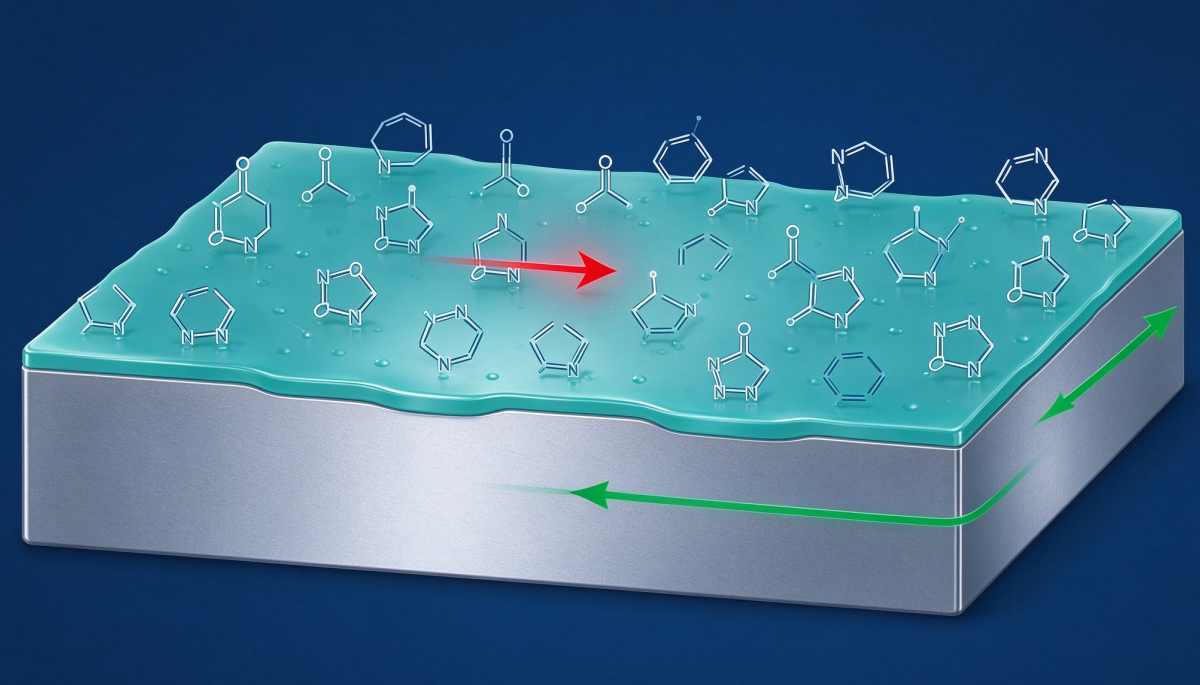
Technical review of thiadiazole and triazole-based metal-deactivator mechanisms
Trace metal ions from copper, iron and yellow-metal components represent one of the major hidden risks for lubricants, fuels and polymer materials. When fluids come into contact with metallic equipment surfaces, dissolved metal ions act as powerful oxidation catalysts, accelerating oil degradation, sludge and deposit formation, triggering copper corrosion, shortening fluid service life and raising maintenance expenditure. As modern formulations pursue longer drain intervals, improved thermal stability and ash-free performance, formulators require reliable metal passivation chemistries. To address these industry-wide challenges, UNPChemicals has developed its full-range CSAIL® series metal deactivators, covering thiadiazole and triazole derivative platforms as drop-in alternatives to well-known global grades from BASF, Vanderbilt and Lanxess.
What Are Metal Deactivators
Metal deactivators are specialty chemical additives designed to counter metal-driven degradation. Similar to paraffin inhibitors that modify wax crystal behaviour instead of removing wax from crude oil, metal deactivators do not physically remove metal ions from the system. Instead, they work at molecular level: they adsorb and form dense inert protective films on metal surfaces or chelate dissolved metal ions, neutralizing their catalytic activity and blocking corrosion pathways. Two dominant organic technical routes are widely adopted in lubricant industry: thiadiazole-based and triazole-based chemistries.
The Hidden Cost of Insufficient Metal Passivation
Without properly dosed metal deactivators, systems suffer cascading operational and financial losses. Catalyzed oxidation speeds up lubricant deterioration, generating sludge, varnish and sediments that clog filters and hydraulic passages. Active-sulfur-induced copper corrosion attacks bearings, valve assemblies and yellow-metal parts, leading to component wear and unplanned downtime. For fuels, metal-ion catalysis accelerates gum and sediment build-up, fouling injectors. In polymer and wire-cable applications, metal-triggered ageing degrades mechanical properties and insulation performance. Frequent fluid change-outs, part replacement and production interruptions push up total operating cost, making metal deactivation a high-priority formulation requirement for automotive, industrial, fuel-processing and polymer sectors.
How CSAIL® Metal Deactivators Work
CSAIL® products rely on two distinct heterocyclic molecular mechanisms.
Thiadiazole-type metal deactivators: Leverage sulfur-nitrogen heterocyclic structures. Polysulfide segments build sulfide protective films; N/S atoms chemisorb or chelate metal ions to create compact passivation layers. Additionally, they scavenge harmful active sulfur within oils and convert it into non-corrosive polysulfides, suppressing free-sulfur-caused corrosion while delivering auxiliary extreme-pressure and anti-wear performance. UNPChemicals owns in-house DMTD manufacturing capacity for stable, large-volume thiadiazole supply.
Triazole-type metal deactivators: Lone-pair electrons on triazole nitrogen atoms form strong coordination bonds with metal surfaces, building tight inert boundary layers. This barrier prevents metal dissolution into fluids and suppresses metal-catalyzed oxidation, delivering efficient protection even at low treat rates. Product portfolio spans methylbenzotriazole, benzotriazole and 1,2,4-triazole derivatives.
UNPChemicals CSAIL® Full-Range Metal Deactivator Portfolio
Thiadiazole (DMTD) Series (Ash-free, EP-capable)
· DMTD-8 (CAS 13539-13-4): Thiadiazole octyl mercaptan condensate. Liquid ash-free additive with auxiliary EP & antioxidant properties. Effectively mitigates active-sulfur-driven copper corrosion and H₂S-related attack for automotive & industrial lubricants, metalworking fluids.
· DMTD-9 (CAS 91648-65-6): Thiadiazole tert-nonyl mercaptan condensate. Versatile organosulfur additive for lubricants, fuels and metal-working fluids.
· DMTD-12 (CAS 59656-20-1): Thiadiazole tert-dodecyl mercaptan condensate. Ash-free, EP-active, oxidation-resistant for high-performance automotive and industrial lubricant packages.
Triazole Derivative Series (Oil-soluble metal passivators)
· CSAIL 3900 (CAS 94270-86-7): Methylbenzotriazole (TTA) derivative, liquid oil-soluble corrosion inhibitor and metal passivator for lubricants and metalworking fluids.
· CSAIL 3000 (CAS 91273-04-0): Triazole derivative. Delivers outstanding yellow-metal corrosion protection for lubricating oils and greases.
· CSAIL T551 (CAS 15497-45-7): Benzotriazole derivative. Suppresses metal-catalyzed oxidation with strong antioxidation synergism, extending oil service life.
· CSAIL T406E: Aliphatic amine bis-azole derivative. Good oil-solubility, copper-corrosion inhibition and rust protection for gear oils, anti-wear hydraulic oils, bearing oils and greases.
Key Properties of High-Performance Metal Deactivators
Following the same evaluation framework applied to paraffin inhibitors and friction modifiers, four core criteria define qualified metal deactivators:
1. High efficiency at low dosage: Achieve reliable metal passivation, corrosion inhibition and oxidation suppression under economical addition rates.
2. Broad compatibility: Maintain performance alongside antioxidants, detergents, dispersants, EP agents and other additives; compatible with mineral, hydro-cracked and synthetic base stocks without undesirable antagonistic reactions.
3. Thermal & chemical stability: Retain performance under high operating temperature, resist hydrolysis and chemical interference when exposed to water, trace acidic or basic species.
4. Convenient handling: Liquid-form grades support straightforward pumping, metering and blending, suited for large-scale additive plant operations.
Application Scope & Product-Selection Guidance
CSAIL® metal deactivators serve multi-industry segments:
1. Lubricants: Engine oils, gear oils, hydraulic fluids, greases, preventing sludge and oxidation triggered by metal ions.
2. Fuels: Stabilize gasoline, diesel and jet fuel; reduce gum, sediment and filter/injector fouling.
3. Polymers & plastics: Stabilize wire-cable insulation and sheathing against metal-induced degradation.
4. Industrial coolants & metalworking fluids: Protect machine tools and workpieces from corrosion.
5. Paints & coatings: Improve anti-corrosion durability of metal-contact coating systems.
Formulators should consider end-use application, base-stock compatibility, target metal types (copper, brass, iron), and regulatory/environmental constraints:
· Select DMTD-8 / DMTD-9 / DMTD-12 (thiadiazole) if you need combined metal passivation, active-sulfur scavenging plus auxiliary extreme-pressure performance.
· Select CSAIL 3900 / CSAIL 3000 / CSAIL T551 / CSAIL T406E (triazole derivatives) for primary metal passivation and oxidation inhibition in lubricants, greases and metal-working fluids.
Summary
Against a backdrop of longer service-life requirements for lubricants, fuels and polymer materials, effective metal passivation has become indispensable in modern additive formulation. UNPChemicals CSAIL® metal deactivator portfolio provides both thiadiazole and triazole technical routes, giving formulators flexible building-block choices. Properly selected CSAIL® grades suppress metal-catalyzed oxidation, mitigate yellow-metal corrosion, reduce deposit formation and extend service cycles for end-user equipment.
Reach out to UNPChemicals technical-sales team for datasheets, formulation recommendations and custom-grade support for your specific projects.