 WhatsApp
 sales@unpchemicals.com
 +86 16638830202
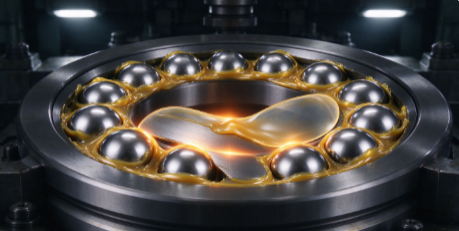
Industry-Wide Operational Challenges
Industrial greases work under combined static-dynamic loading, oscillating motion, wide temperature fluctuation, moisture contamination and long-term standing storage conditions. Base oil-thickener matrix alone cannot satisfy comprehensive equipment-protection demands. Without properly selected single-component specialty additives, finished greases suffer insufficient extreme-pressure load-bearing capacity, accelerated oxidative deterioration, non-ferrous-metal corrosion and poor rust-proof performance, shortening service cycle of bearings and friction components. Formulators need to select suitable individual additives, match base-oil-thickener system properties and field operating parameters to resolve grease formulation and manufacturing bottlenecks.
What are Grease Additives?
Grease additives are functional chemical substances incorporated into grease systems composed of base oil and thickener. They enhance extreme-pressure anti-wear capability, friction reduction performance, antioxidative stability and anti-corrosion & anti-rust properties, protecting bearings, hinges and heavy-duty friction parts under static-dynamic service conditions and extending equipment service life.
Core Principles & Fundamental Classification
Special-function single-component grease additives are concentrated individual chemical substances for performance upgrading during grease compounding. Analogous to paraffin inhibitors modifying wax-crystal morphology without removing paraffin from crude oil: single-component additives cannot replace the basic semi-solid lubricating capacity built by base oil and thickener. Instead, individual molecules act on molecular and interfacial levels to realize friction-reduction, extreme-pressure anti-wear, metal-deactivation, antioxidation and anti-rust-corrosion effects.
According to functional orientation, these single-component additives are divided into seven primary groups:
- Sulfur-phosphorus-free organomolybdenum friction modifiers: Environment-friendly molybdenum-based components for friction-reduction and antioxidative synergistic effect.
- Ashless boron-based friction modifiers: Nitrogen-containing borate ester series delivering friction-reduction, anti-wear and corrosion-inhibition.
- Thiadiazole-series multi-functional additives: Ashless metal-deactivators with auxiliary extreme-pressure and antioxidation performance. - Bisazole-derivative composite passivators: Aliphatic-amine bisazole grades combining antioxidation, copper-inhibition and rust prevention for non-ferrous metals.
- Ashless phosphate-ester extreme-pressure anti-wear additives: Hydrolysis-resistant phosphate components for heavy-load grease formulations.
- Imidazoline-type corrosion inhibitors: Multi-purpose imidazoline derivatives with corrosion-inhibition, dewatering and emulsifying functions.
- Ashless methylbenzotriazole derivatives & thiadiazole dimer: Dual-purpose metal-protection antioxidants and high-performance thiadiazole-based EP anti-wear agents specially adapted for grease systems.
Performance-Driven Working Mechanisms
Different single-component additives realize performance improvement through distinct molecular pathways:
- S/P-free organomolybdenum complex (MSAIL 8550): Under boundary-lubrication conditions inside grease-lubricated friction pairs, molybdenum-containing molecules participate in tribochemical reactions to form low-friction protective films; exhibits obvious synergistic antioxidation effect when compounded with sulfur-containing additives, lowering friction coefficient for bearing and joint surfaces.
- Nitrogen-containing boric acid esters (FMET 2890): Sulfur-phosphorus-free ashless ingredients form boron-rich boundary lubricating films on metal contact surfaces, bringing friction-reduction, anti-wear and mild corrosion-inhibition effects for semi-solid grease matrices.
- Thiadiazole tert-dodecyl mercaptan condensate (CSAIL T561): Adsorbs onto copper-alloy surfaces to form dense barrier films, isolating corrosive active-sulfur species; provides auxiliary extreme-pressure and antioxidation performance at low dosage.
- Aliphatic amine bisazole derivatives (CSAIL T406E): Good oil-soluble bisazole molecules adsorb on ferrous and non-ferrous-metal surfaces simultaneously, combining antioxidation, copper-corrosion suppression and rust-prevention performance for multi-alloy component environments.
- Trioctyl phosphate (PSAIL 3680): Ashless phosphate-ester extreme-pressure anti-wear agent with outstanding hydrolysis stability; generates phosphorus-containing tribofilms under heavy-load contact conditions to improve load-bearing performance without obvious negative influence on extreme-pressure properties.
- Oleic acid imidazoline corrosion inhibitor (CMET AO): Imidazoline-structured multi-functional additive; adsorbs on metal surfaces to build anti-corrosion barrier, also possesses dewatering and emulsifying auxiliary functions within lubricant systems.
- Methylbenzotriazole derivatives (OSAIL 8870) & Thiadiazole dimer (EPSAIL 8290): OSAIL 8870 achieves dual-function of metal-corrosion-inhibition and antioxidation without sulfur-phosphorus-ash. Thiadiazole dimer EPSAIL 8290 disperses well inside grease systems, forming high-strength tribochemical films to deliver prominent extreme-pressure anti-wear and antioxidation performance for heavy-load industrial greases.
Consequences of Improper Additive Selection
Inadequate or mismatched single-component additive selection brings multiple operational risks. Incompatibility between additive and base-oil / thickener / other co-additives triggers segregation, precipitation, softening or hardening of finished grease and loss of lubricating performance. Insufficient extreme-pressure anti-wear capacity leads to bearing pitting, scratching and premature failure under heavy-load oscillating conditions. Improper metal-passivation additives induce corrosion of copper and non-ferrous-metal parts. Poor antioxidation-rust-resistance performance causes grease oxidation deterioration and surface rusting during long-term static storage and service. All above-mentioned defects shorten component service life and increase equipment-maintenance costs for end-users.
Commercial Additive Portfolio Overview
- MSAIL 8550 (Organomolybdenum complex S/P free, CAS 445409-27-8): Versatile eco-friendly organomolybdenum friction modifier; excellent friction-reduction, synergistic antioxidation with sulfur additives; for engine oils, industrial lubricants, neat-oil metal-working fluids and greases.
- FMET 2890 (Nitrogen-containing boric acid esters): Ashless S/P-free friction modifier with good friction-reduction, anti-wear and corrosion-inhibition; widely used in engine oils, industrial lubricants, neat-oil metal-working fluids and greases.
- CSAIL T561 (Thiadiazole tert-dodecyl mercaptan condensate, CAS 59656-20-1): Liquid ashless metal deactivator with EP-antioxidant auxiliary performance; low-dosage inhibition for active-sulfur-triggered copper-alloy corrosion, applied in lubricants and metalworking fluids.
- CSAIL T406E (Aliphatic amine bisazole derivatives): Fatty-amine diazole derivative; good oil-solubility, antioxidation, copper-corrosion-inhibition and rust-proof performance for non-ferrous metals; for gear oils, hydraulic oils, oil-film bearing oils and greases.
- PSAIL 3680 (Trioctyl phosphate, CAS 78-42-2): Ashless environment-friendly extreme-pressure anti-wear additive with excellent hydrolysis stability; for hydraulic oil, compressor oil, metalworking fluids and environment-friendly grease formulations.
- CMET AO (Oleic acid imidazoline corrosion inhibitor, CAS 95-38-5): Multi-functional imidazoline-based additive acting as corrosion inhibitor, dewatering agent and emulsifier for lubricant systems.
- OSAIL 8870 (Methylbenzotriazole derivatives): S-P-ash-free high-efficiency metal corrosion-inhibitor-antioxidant; excellent corrosion-resistance, antioxidation and thermal-stability; applicable in lubricants, greases, metalworking fluids and circulating cooling-water.
- EPSAIL 8290 (Thiadiazole dimer, CAS 72676-55-2): High-performance grease-adapted additive with prominent extreme-pressure, anti-wear and antioxidation; for heavy-pressure industrial greases in steel-plant and heavy-duty equipment; also usable as rubber vulcanization accelerator.
Critical Performance Metrics for Qualified Single-Component Additives
Following the unified evaluation framework across UNPChemicals technical review series, high-quality single-component grease additives shall meet four core performance metrics:
1. High efficiency at low treat rates: Realize friction-reduction, extreme-pressure anti-wear, metal-passivation or anti-rust-corrosion targets under economical additive dosage.
2. Broad formulation compatibility: Chemically compatible with diverse base oils and thickener systems of greases, as well as other co-additives; avoid grease bleeding, phase separation, softening-hardening failure.
3. Robust environmental stability: Maintain core functions under oscillating shear, heavy-load compression, temperature cycling and moisture-pollution grease-service conditions.
4. Practical industrial processability: Suitable physical state for feeding and dispersion during grease kettles compounding; convenient quality-control testing in grease-manufacturing workflows.
Application Domains & Formulation Selection Guidelines
These single-component additive systems serve multiple grease-manufacturing segments:
1. General-purpose industrial greases: Bearings, hinges and joint lubrication for ordinary manufacturing equipment.
2. Heavy-duty industrial greases: Special-purpose greases for steel-plant, mining and heavy-load mechanical equipment.
3. Associated supporting products: Gear oils, hydraulic oils, bearing circulating oils and metalworking-fluid formulations.
Formulators need to evaluate grease thickener type, equipment load-oscillation conditions, non-ferrous-metal component existence, moisture exposure risk and target technical-specification requirements before grade selection: - Select MSAIL 8550 or FMET 2890 when friction-reduction performance improvement is required for grease formulations; choose FMET 2890 for S-P-restricted low-SAPS projects. - Deploy CSAIL T561, CSAIL T406E or OSAIL 8870 for greases contacting copper-alloy and non-ferrous-metal components. - Adopt PSAIL 3680 or EPSAIL 8290 for heavy-load grease systems demanding high extreme-pressure anti-wear and hydrolysis-resistance performance. - Add CMET AO when enhanced anti-corrosion and dewatering performance is needed under humid operating environments.
Concluding Remarks
High-performance industrial greases rely not only on base-oil-thickener matrix performance but also on rational screening and matching of single-component specialty additives in grease-compounding workflows. Organomolybdenum / borate-ester friction modifiers, thiadiazole-bisazole-benzotriazole-series metal-passivation agents, phosphate-ester extreme-pressure anti-wear components and imidazoline-type corrosion-inhibitors jointly deliver friction-reduction, heavy-load anti-wear, antioxidation and multi-metal anti-corrosion-rust-prevention functions. Appropriate additive-grade selection helps formulators produce stable heavy-duty industrial greases, protecting bearings and friction joints under static-dynamic mixed operating conditions and extending mechanical-equipment service life.
Contact UNPChemicals technical-sales team for datasheets, formulation recommendations and custom-grade support for your specific grease-formulation projects.